
The History of Tea in London: Walk the Streets Where Britain Fell in Love with Tea
Nowhere adopted tea more enthusiastically than London. Since its arrival on these shores, the city has built a global culture around it. And it all happened on specific streets, in specific buildings, many of which you can still stand on today.
This walking tour through the City of London follows the real locations where tea transformed from an exotic import into Britain’s national drink, finishing, of course, with a traditional cream tea.
When Did Tea Arrive in London?
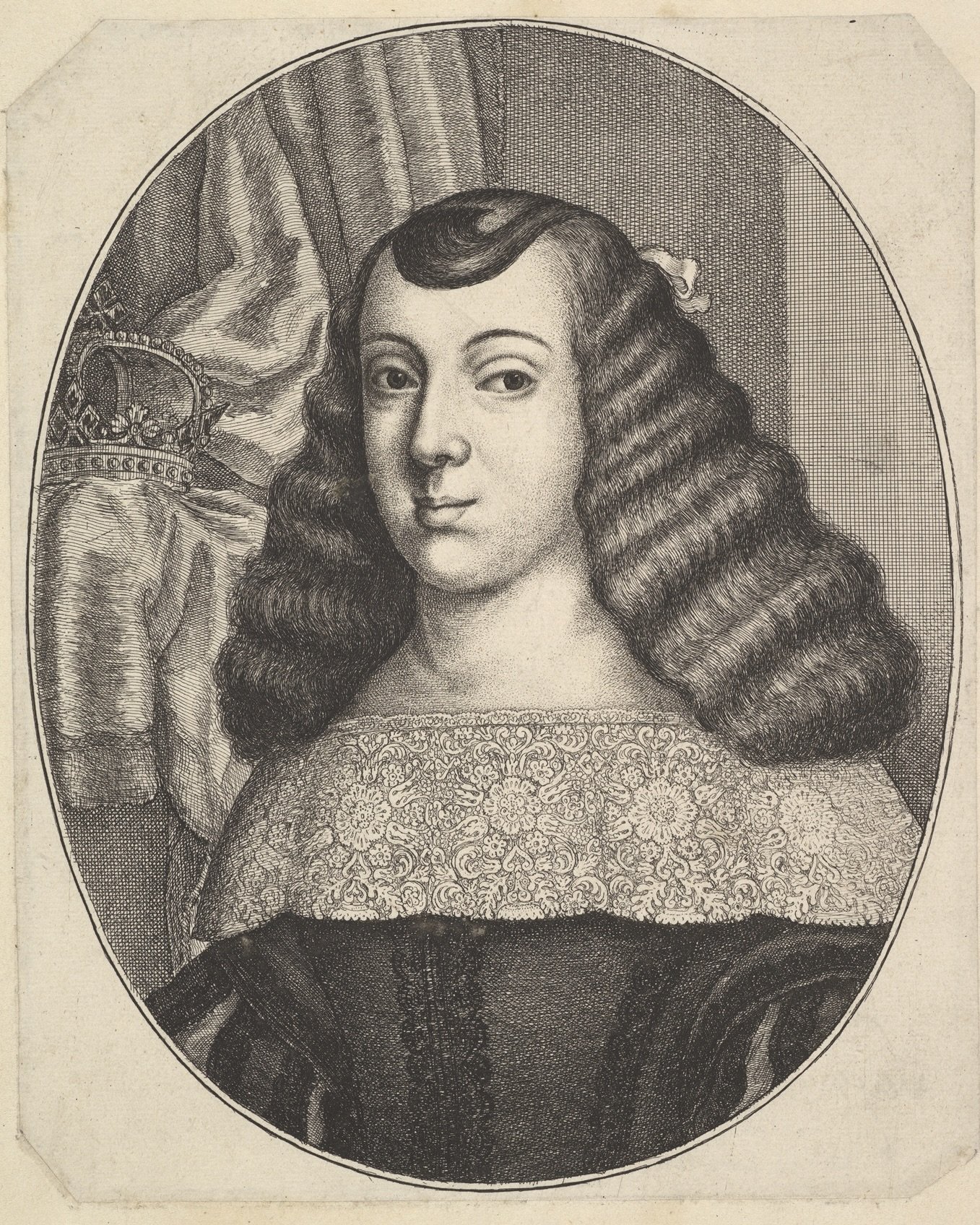
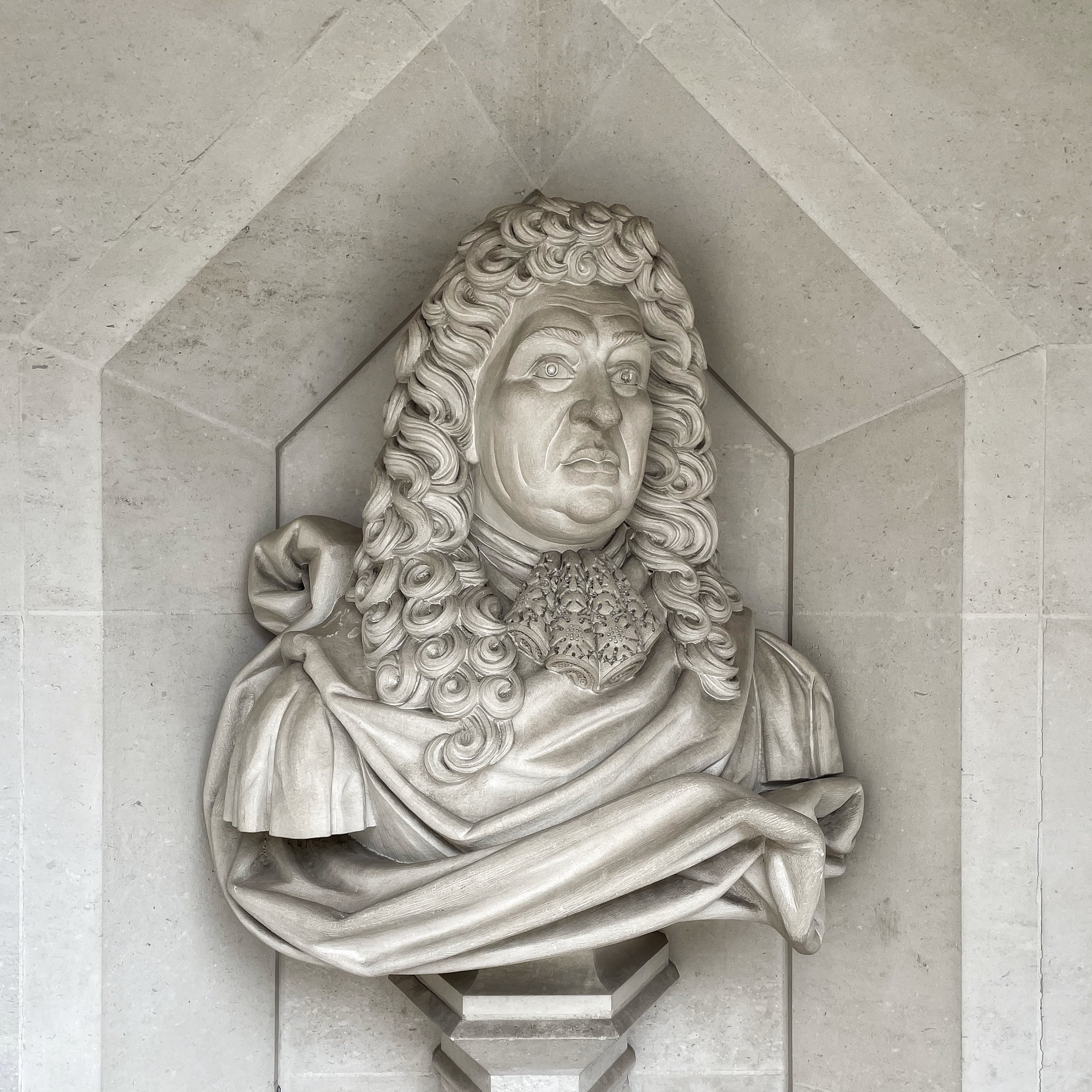
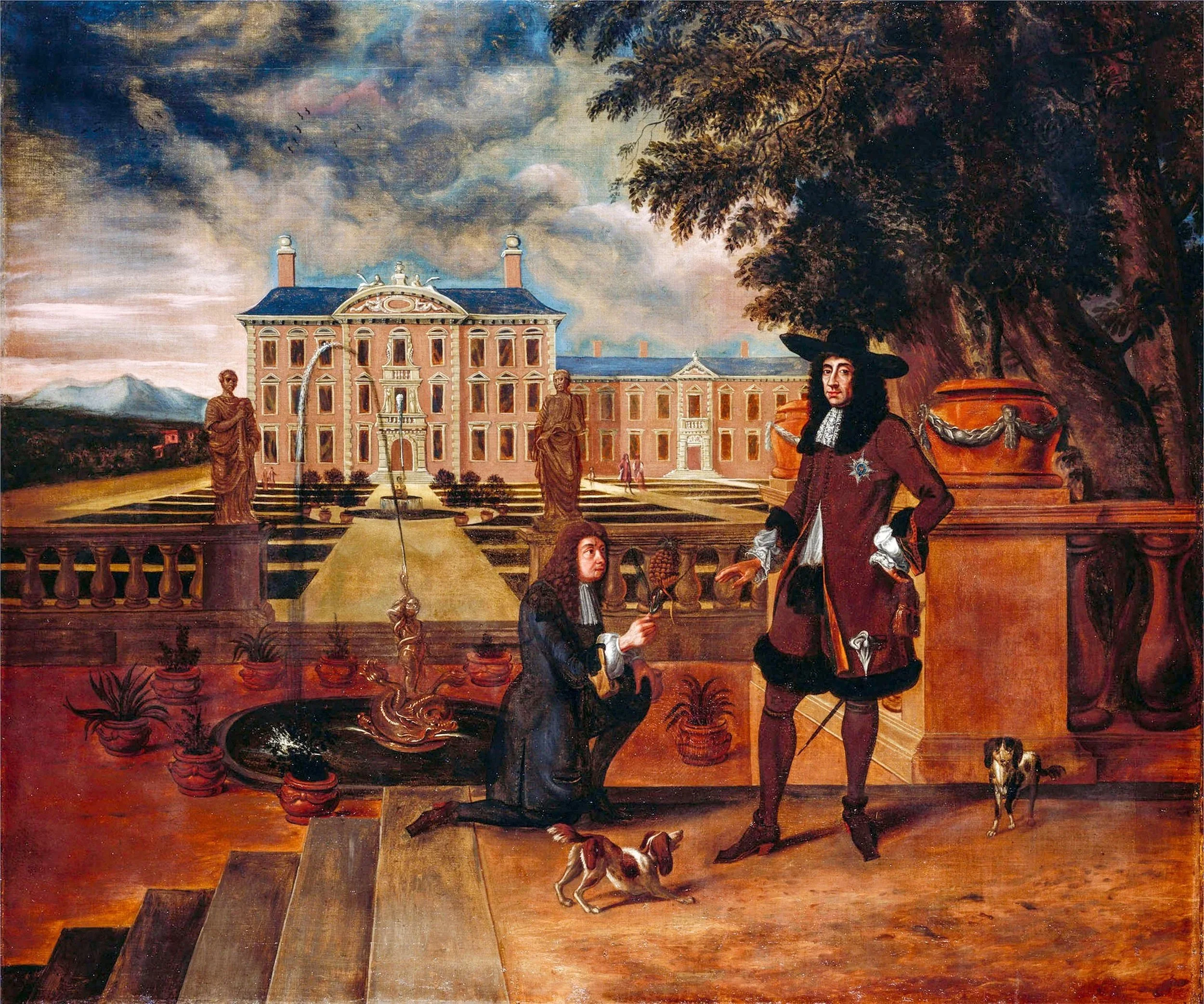
Tea arrived in London in the 1650s and quickly became fashionable at court under King Charles II and Catherine of Braganza.
The diarist Samuel Pepys famously recorded trying tea in 1660, calling it a new and unusual drink.
At this stage, tea was rare, expensive, and consumed in coffee houses, often marketed as a health tonic rather than a daily pleasure.
Mincing Lane: The Street That Ran the Tea Trade
Your walk takes you down Mincing Lane, once the beating heart of the global tea trade.
In the 19th century, this street was known as “the Street of Tea.” Tea brokers, merchants and warehouses lined the lane, handling vast quantities arriving from across the British Empire.
Prices were set here. Deals were struck here. If you drank tea anywhere in Britain, there’s a good chance it passed through Mincing Lane.
Leadenhall Street and the Power of the East India Company
Just a short walk away is Leadenhall Street, which was once the site of the East India Company headquarters.
From here, one of the most powerful corporations in history controlled the flow of tea into Britain. The company shaped global trade and helped turn tea into a national obsession.
Garraway’s Coffee House: Where Tea Went Public
Near Exchange Alley stood Garraway's Coffee House, which was one of the first places in London to sell tea to the public.
In the late 1600s, coffee houses like Garraway’s were buzzing centres of conversation, commerce and experimentation. Here, tea moved beyond royal courts and into everyday urban life.
This was the moment tea stopped being a curiosity and started becoming a habit.
From Luxury to Daily Ritual: Afternoon Tea
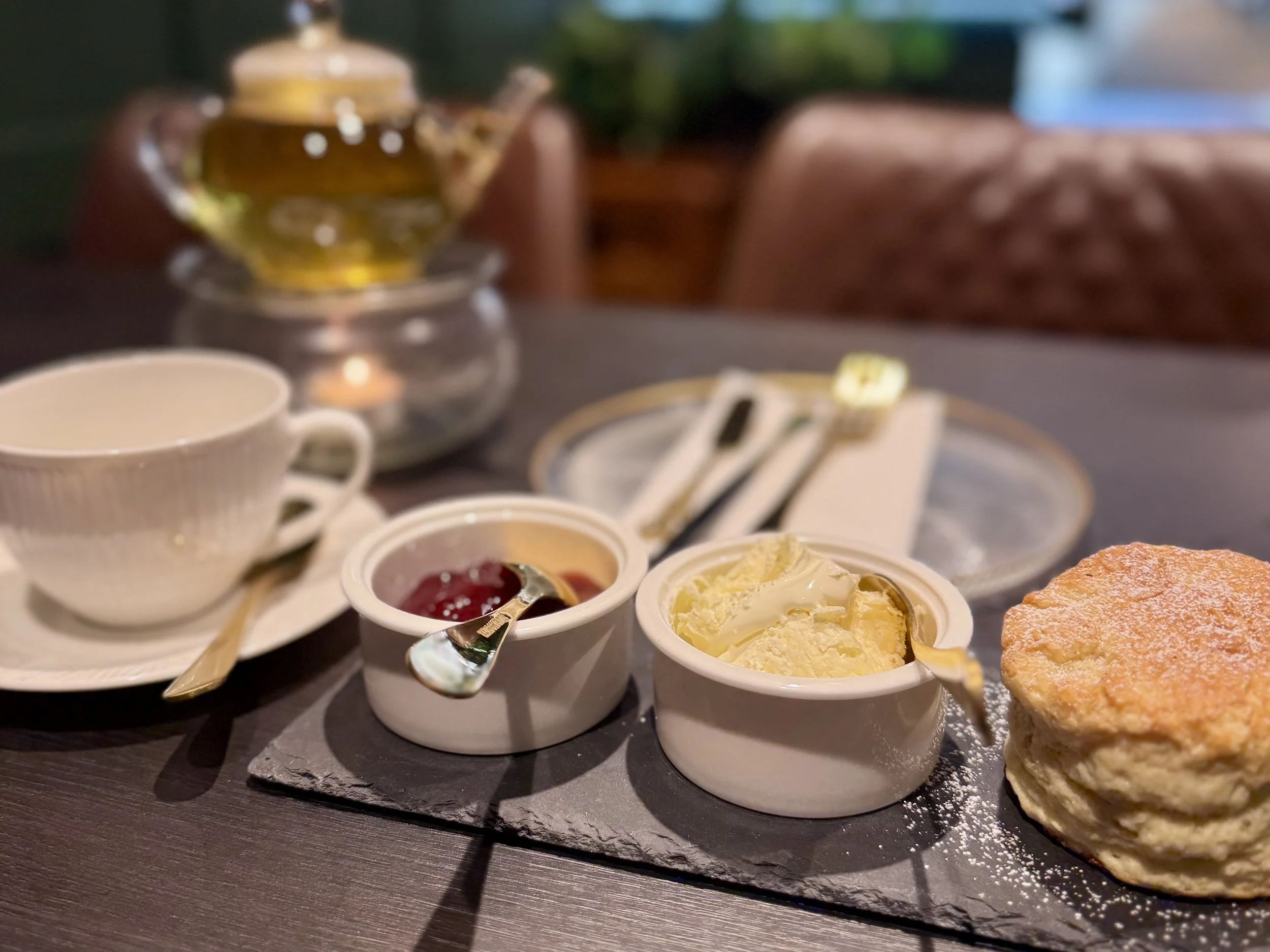
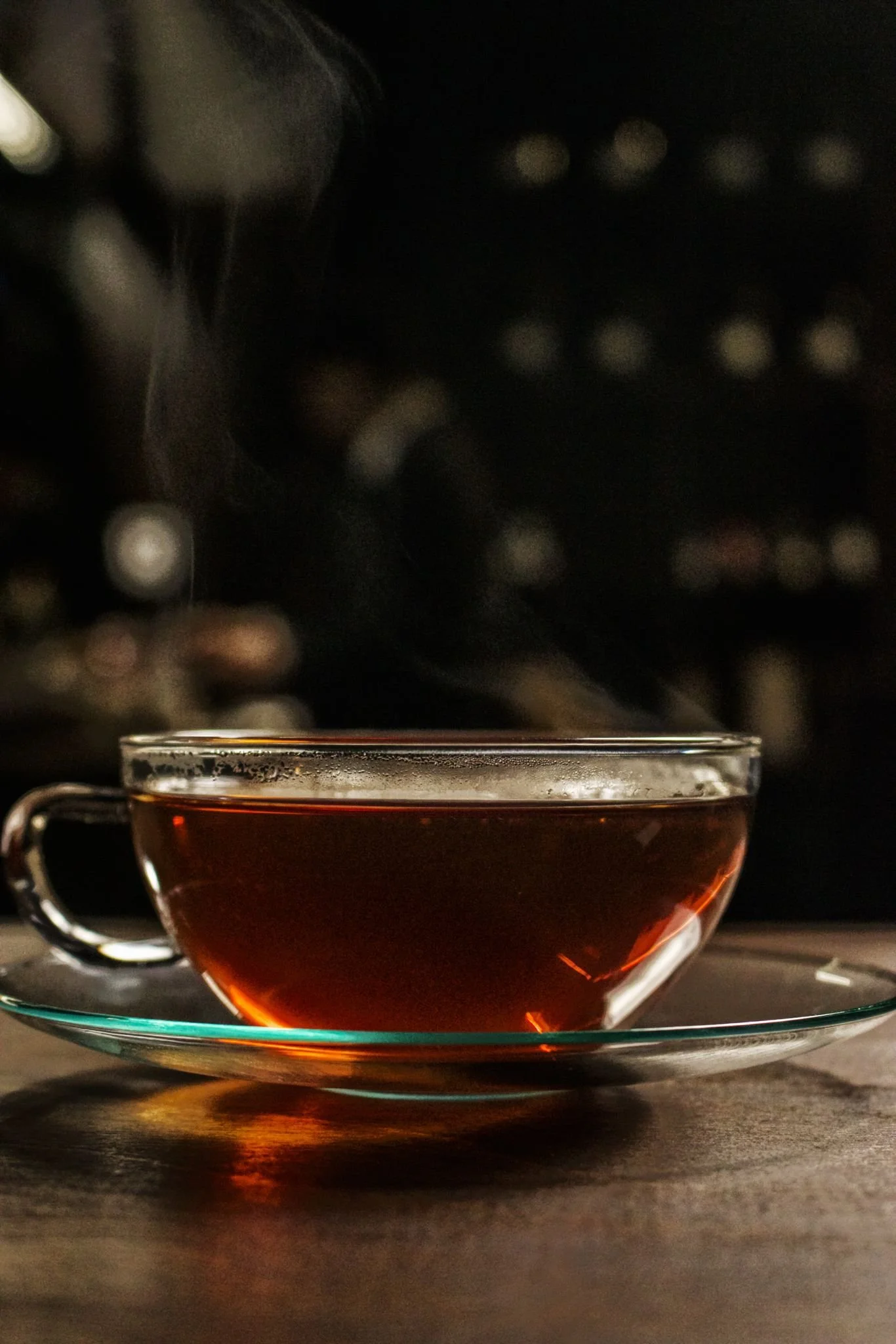
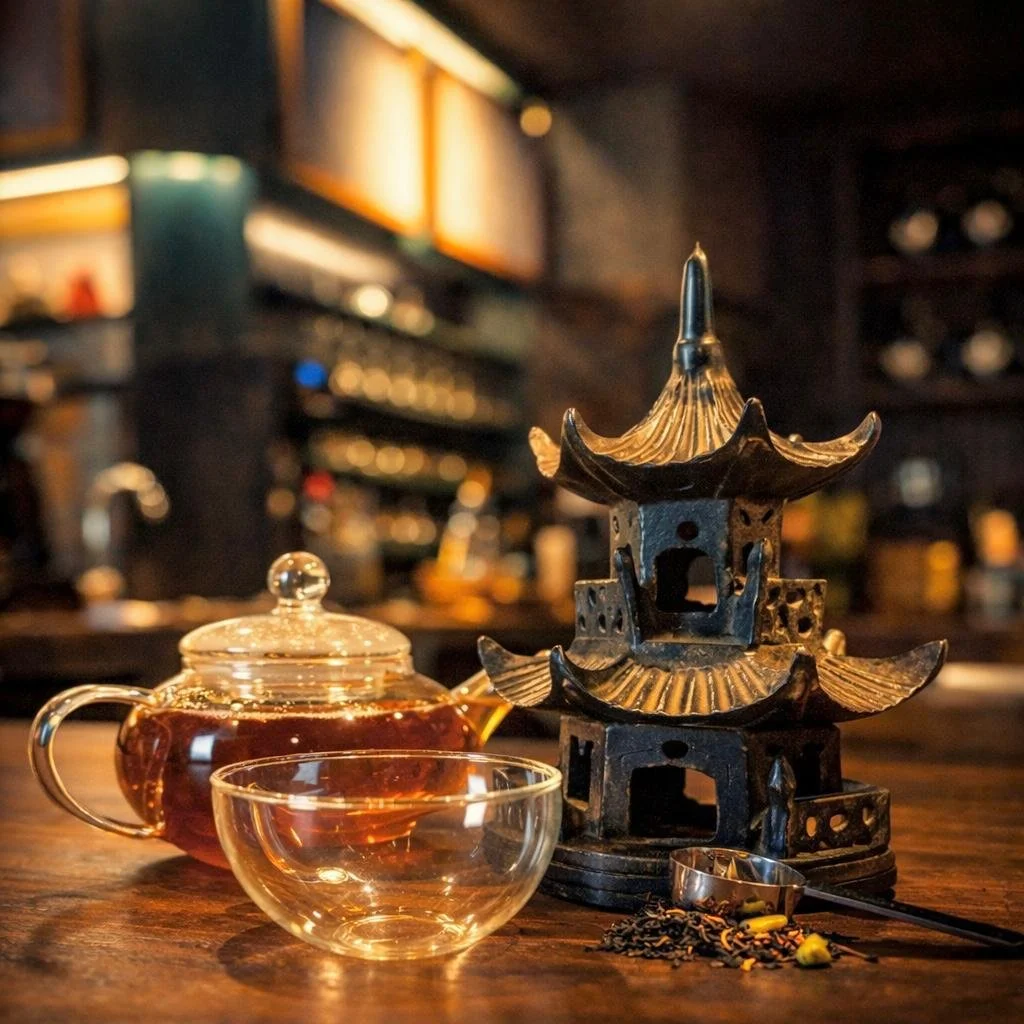
By the 19th century, tea had spread across all levels of society. The ritual of afternoon tea (popularised by Anna Maria Russell) turned tea into a social event.
Delicate sandwiches, cakes, and scones became part of the experience, laying the foundation for the cream tea still enjoyed today.
After walking through centuries of history, you finish with the most enjoyable part: a traditional cream tea.
Freshly baked scones, rich clotted cream and jam, all served with your choice of tea, bring the story full circle, from global trade to a comforting ritual.
Join the Tea History Walking Tour in the City of London
Walk the Tea Trail: the real streets where tea shaped Britain.
On this guided tour, you will:
Explore Mincing Lane, London’s historic tea trading hub
Stand on Leadenhall Street, once home to the East India Company
Discover the site of Garraway’s Coffee House, where tea went public
Hear stories of empire, trade and daily life
Enjoy a traditional cream tea at the end of your walk
👉 Book your London Tea Walking Tour with Cream Tea now
FAQs
-
Description text goes hereTea first became popular in 17th-century coffee houses and royal courts, particularly during the reign of King Charles II.
-
Mincing Lane was the centre of the global tea trade in the 18th and 19th centuries, where tea was bought, sold, and distributed across Britain.
-
The East India Company controlled much of the tea imported into Britain and played a major role in making tea widely available.
-
Garraway's Coffee House was one of the first places where tea was sold commercially in London.
-
A traditional cream tea includes scones, clotted cream, jam, and a pot of tea.