
Jewish London: What's the Difference Between the City and the East End?
If you're planning to explore Jewish London and have limited time, you might find yourself wondering: should I visit the City of London or the East End?
Although they're only a short walk apart, they tell two very different chapters of London's Jewish story. Here's the short answer, followed by a deeper look at what makes each neighbourhood unique.
Quick Answer
The City of London (the Square Mile) and the East End tell two different chapters of Jewish London's story. The City explores almost 1,000 years of Jewish history, from the medieval community established after the Norman Conquest to Bevis Marks Synagogue and the growth of Jewish life in Britain's financial district. The East End focuses on the great wave of Jewish immigration from Eastern Europe between the 1880s and the mid-20th century, when Whitechapel and Spitalfields became home to one of the world's largest Jewish communities. Together, they reveal the remarkable story of Jewish London.
The City of London: Nearly 1,000 Years of Jewish History

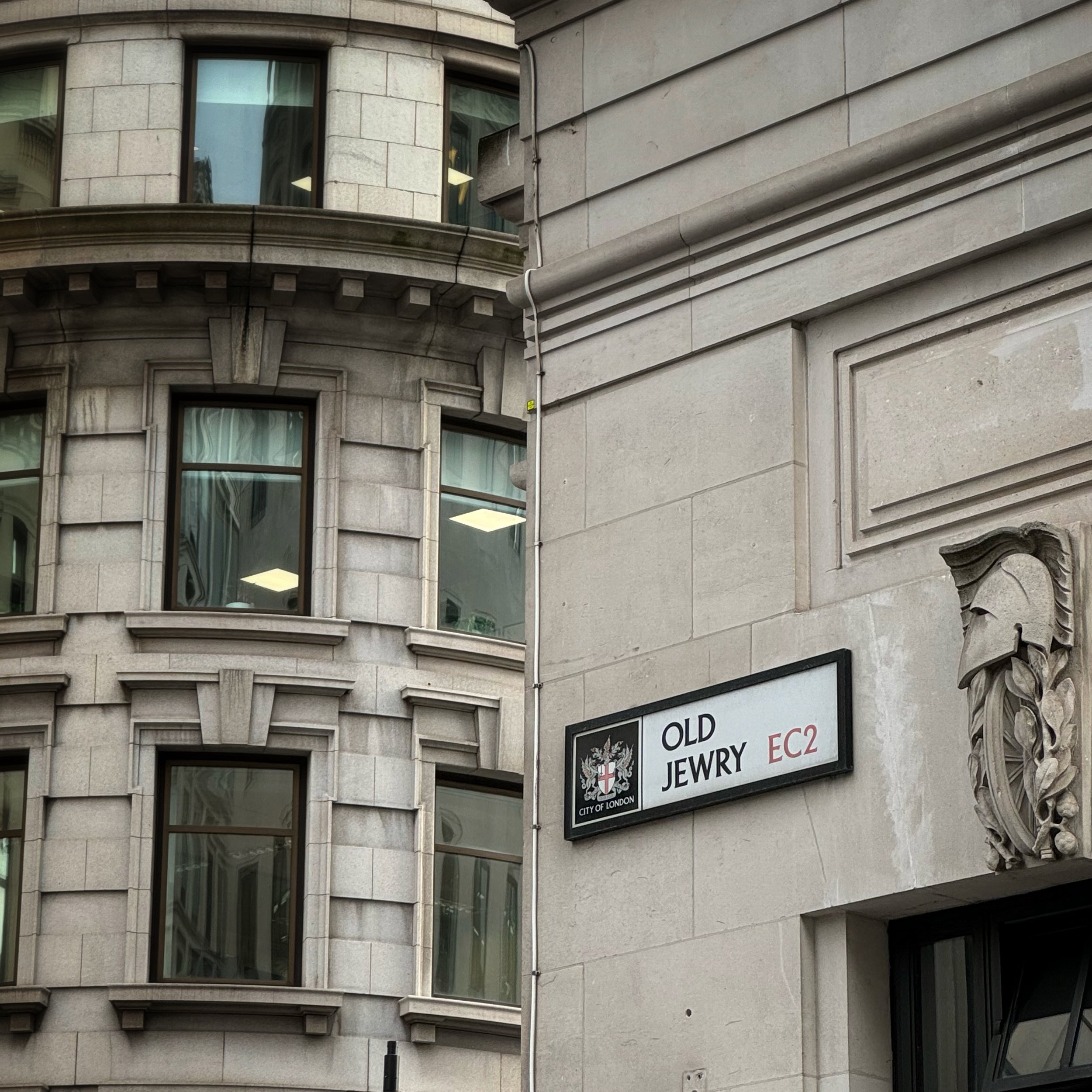
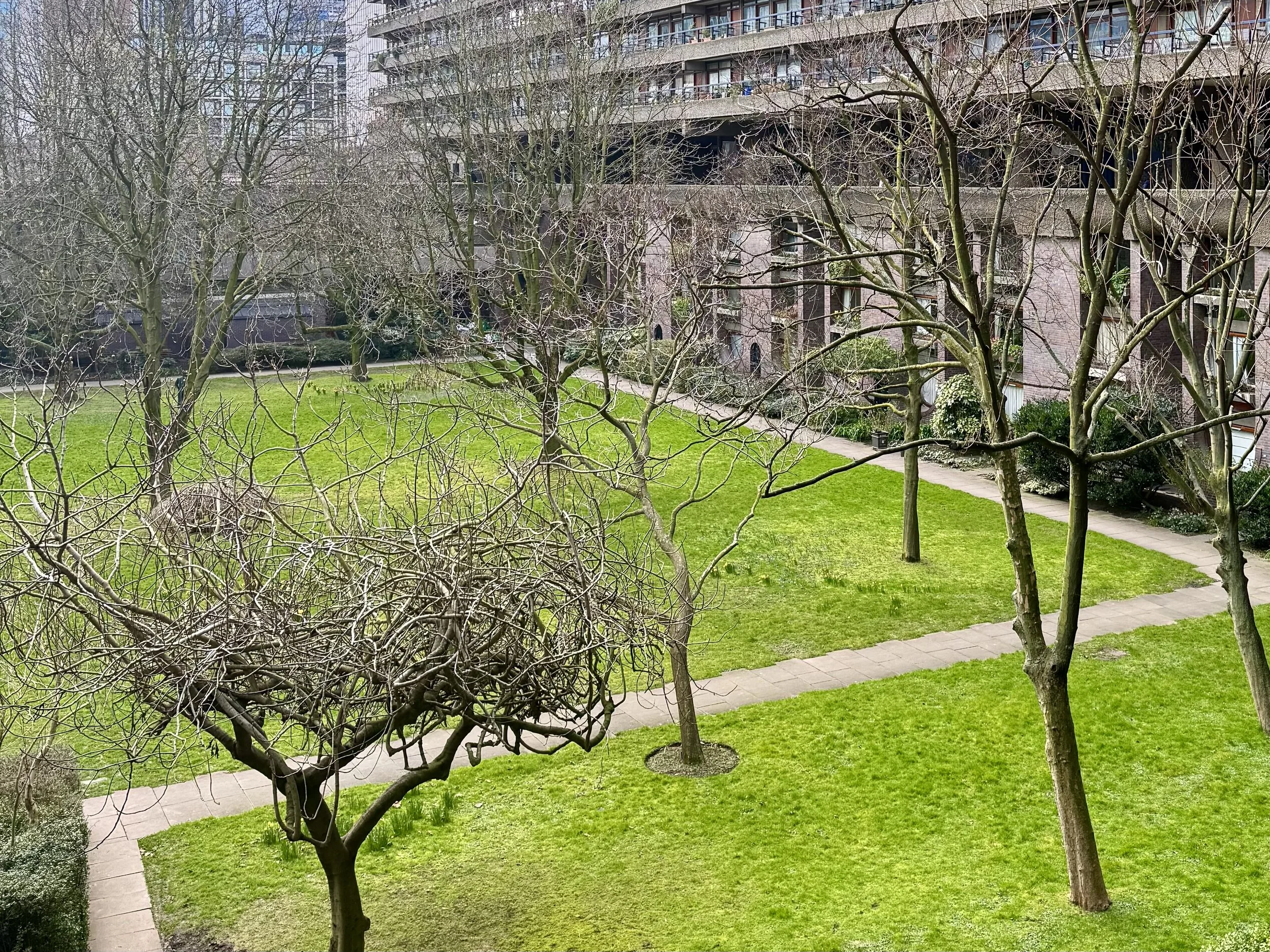
The City of London is where the story begins.
Following the Norman Conquest in 1066, Jewish families were invited to settle in England by William the Conqueror. Protected directly by the Crown, they played an important role in medieval commerce and finance, establishing a community that grew around what is now the Guildhall area.
Although little survives above ground, this was once home to houses, places of worship and one of England's earliest Jewish communities. It was also the setting for some of the most significant events in Anglo-Jewish history, including the persecution that culminated in the expulsion of England's Jewish community in 1290.
For more than 350 years there was no openly practising Jewish community in England. When Jewish people gradually returned in the 17th century, the story once again centred on the City. Sephardi merchants established Bevis Marks Synagogue, still Britain's oldest synagogue in continuous use, while later generations helped shape London's commercial, political and cultural life.
Today, discovering this history often means looking beneath the modern city. Medieval streets have disappeared, buildings have been rebuilt countless times, and archaeology continues to reveal remarkable new evidence. The City's Jewish heritage is one of hidden stories waiting to be uncovered.
The East End: A Story of Immigration, Community and Opportunity
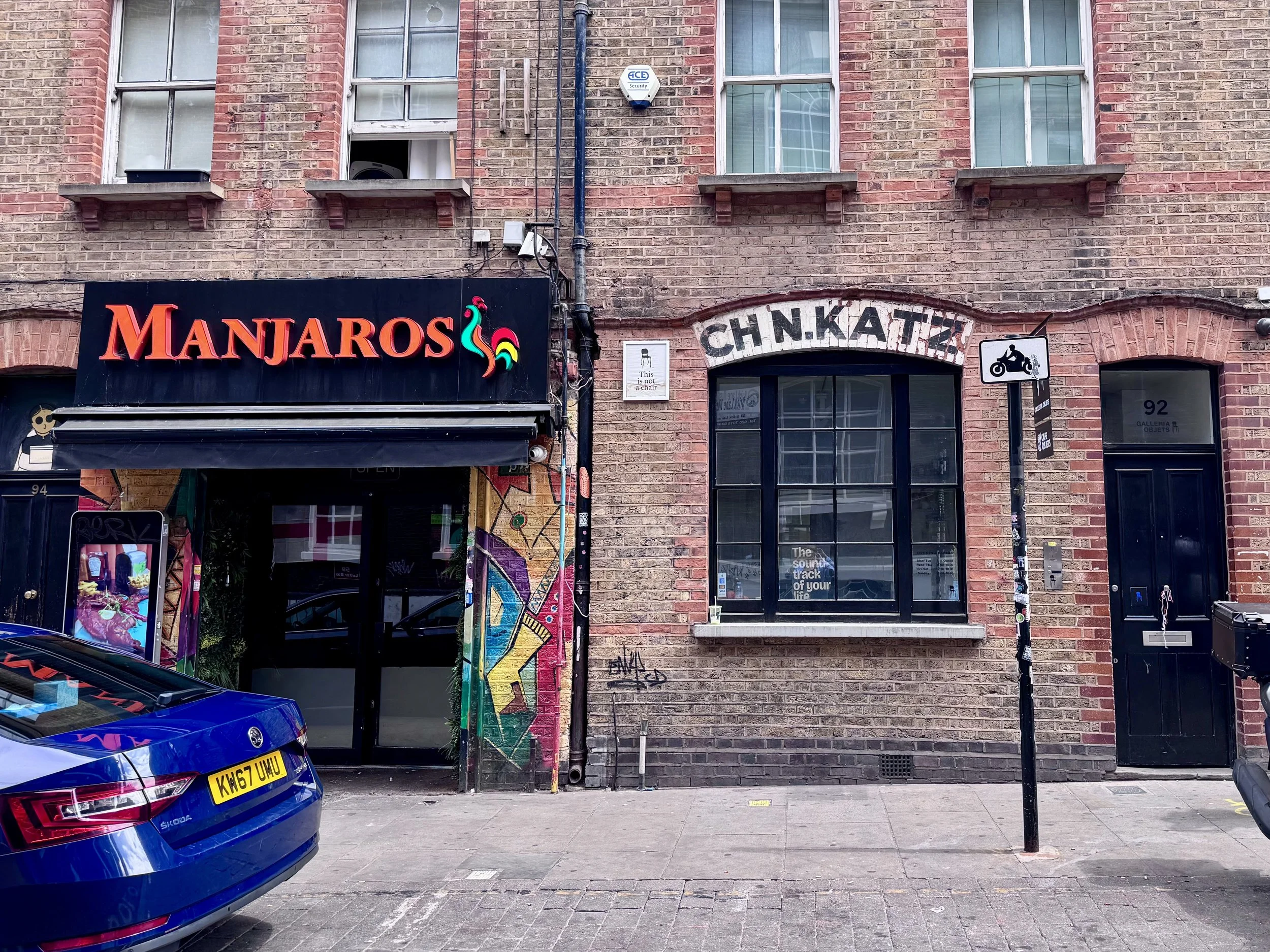
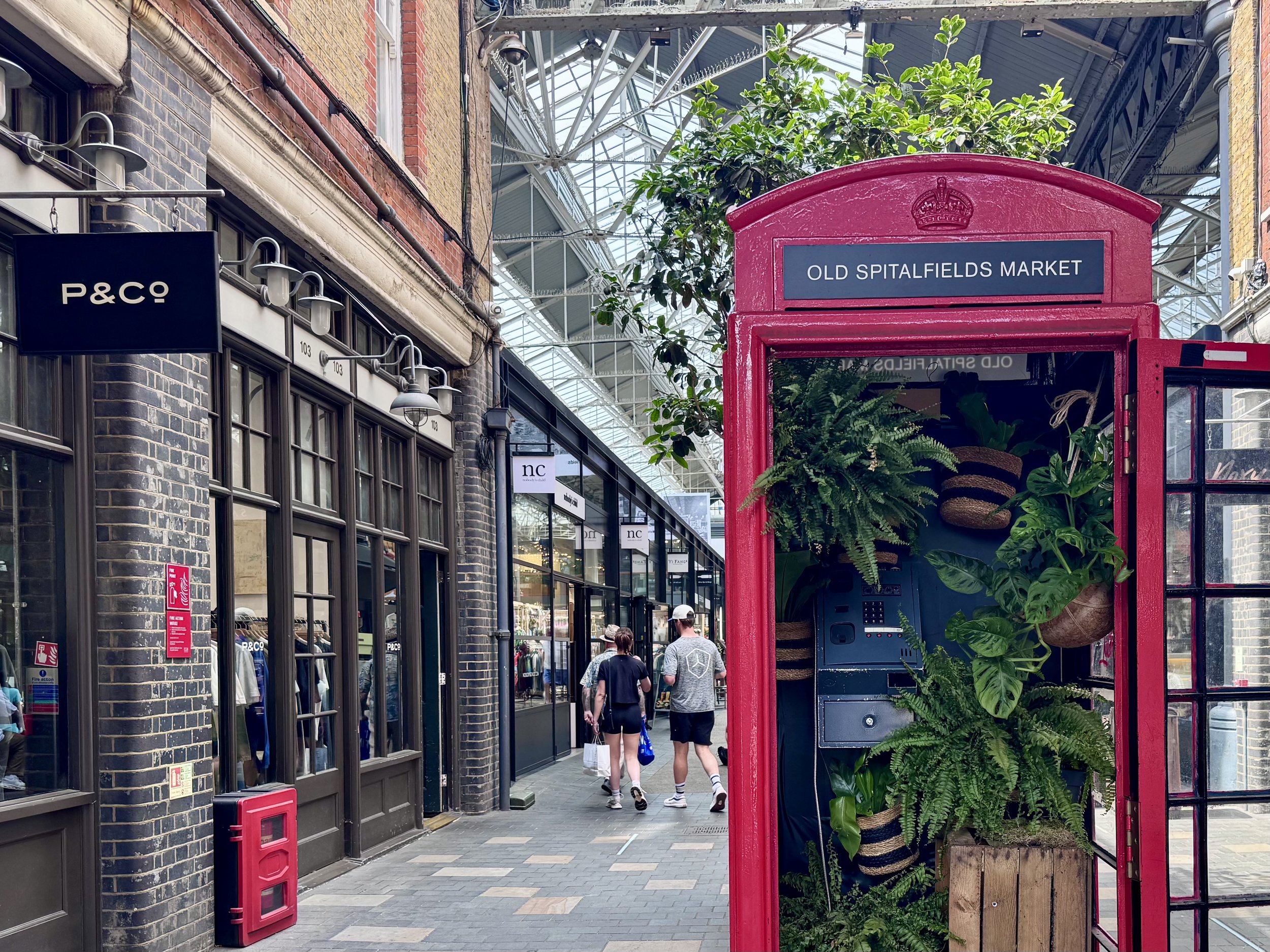
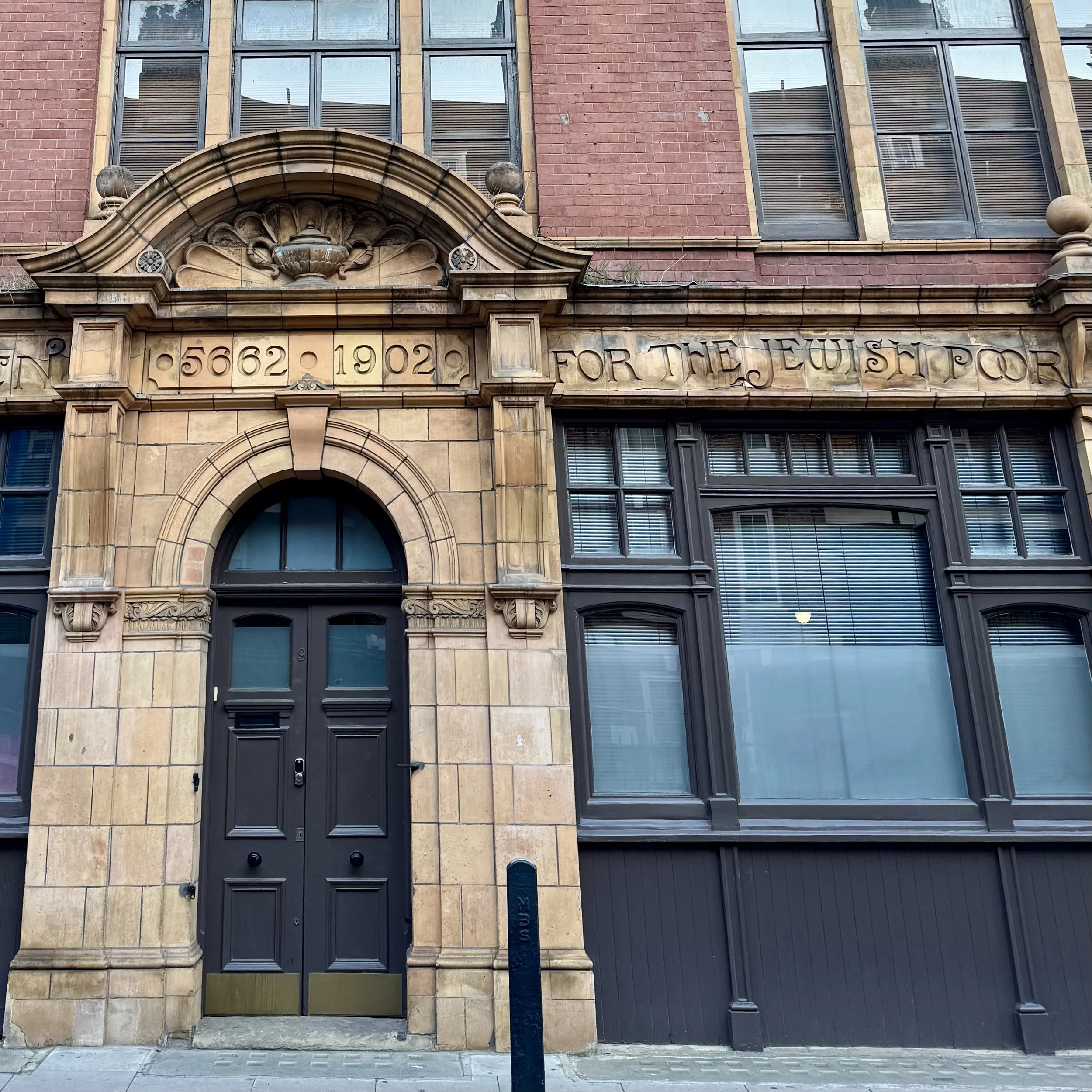
The East End tells a very different chapter.
From the 1880s onwards, hundreds of thousands of Jewish immigrants arrived in London, fleeing persecution and poverty in the Russian Empire and Eastern Europe. Many settled in Whitechapel, Spitalfields, Stepney and the surrounding streets, where housing was inexpensive and work could be found in tailoring, cabinet making and other skilled trades.
Within a few decades, the East End became one of the largest Jewish neighbourhoods in the world. Yiddish could be heard in the streets, newspapers were published in several languages, synagogues occupied former chapels and warehouses, and markets buzzed with traders selling everything from fabric to fresh food.
It was a community built on resilience, mutual support and ambition. Charities, schools, political organisations and cultural institutions flourished alongside small family businesses, creating a neighbourhood that left a lasting mark on London's identity.
By the middle of the 20th century, many Jewish families had moved to North and North West London in search of larger homes and new opportunities. Although relatively few Jewish residents remain in the East End today, the streets still hold countless traces of this remarkable period.
Why Doesn't London Have a Preserved Jewish Quarter?
Visitors are sometimes surprised that London's Jewish history isn't preserved in a single historic quarter in the way it is in cities such as Prague or Kraków.
London has experienced repeated waves of destruction and rebuilding. The Great Fire of 1666 transformed much of the medieval City, Victorian redevelopment swept away entire neighbourhoods, and the Blitz inflicted devastating damage during the Second World War. Since then, modern commercial development has continued to reshape the capital.
As a result, exploring Jewish London is less about wandering through an untouched historic district and more about learning to recognise the layers of history beneath today's streets. A discreet plaque, an archaeological discovery, a surviving synagogue or the name of a street can reveal stories stretching back centuries.
For many visitors, that's part of London's unique appeal. Its history isn't always immediately visible, but it is everywhere once you know where to look.
Which Tour Should You Choose?
If you're fascinated by medieval history, the evolution of the City of London and the long story of Jewish life in Britain, the Jewish City of London tour explores nearly a thousand years of history, from the Norman Conquest to the present day.
If you're interested in immigration, family stories, markets, tailoring, Yiddish culture and everyday life in Victorian and Edwardian London, the Jewish East End tour brings to life the neighbourhood that became home to generations of Jewish newcomers.
Many guests choose to experience both tours because they complement each other rather than overlap. One explains how Jewish life first became established in England and evolved over the centuries; the other tells the story of the immigrants whose energy and enterprise transformed the East End little more than a hundred years ago.
Together, they reveal how Jewish London has continually reinvented itself while leaving an enduring legacy across the capital.
A Guide’s Note
Before starting a recent tour of the City, one of my guests asked me: “What are we going to see? Aren’t we going to the East End?”
It’s amazing how many people believe that Jewish history in London begins and ends with the classic East End. Before I started exploring the City, I was one of them. I had no idea that the Jewish community had such a deep-rooted history there, and I love revealing it to visitors.
But the East End has its surprises for me too. Until recently, I just assumed I’d absorbed it all through some sort of family osmosis as my great grandparents lived there. Turns out I didn’t know the area at all, and I’m still discovering it myself.